
Quality food for your hunting dog is everything. You need performance from your hunting dog, do not go for the cheap dog food. Your hunting dog is worth more than $1.
From a experience, knowing the nutritional components for your dog food is paramount.
Hunting dogs are known for their high activity levels and the strain placed on their body during hunts and trails. Therefore, performance and hunting dogs require a superior level of nutrients. From here, I am going to let you decide your dog’s nutritional requirements.
Provide the proper nutrition to your hunting dog. He will reward you with maximum performance in the field.
Why Calories and Fats in Your Hunting Dog Food?
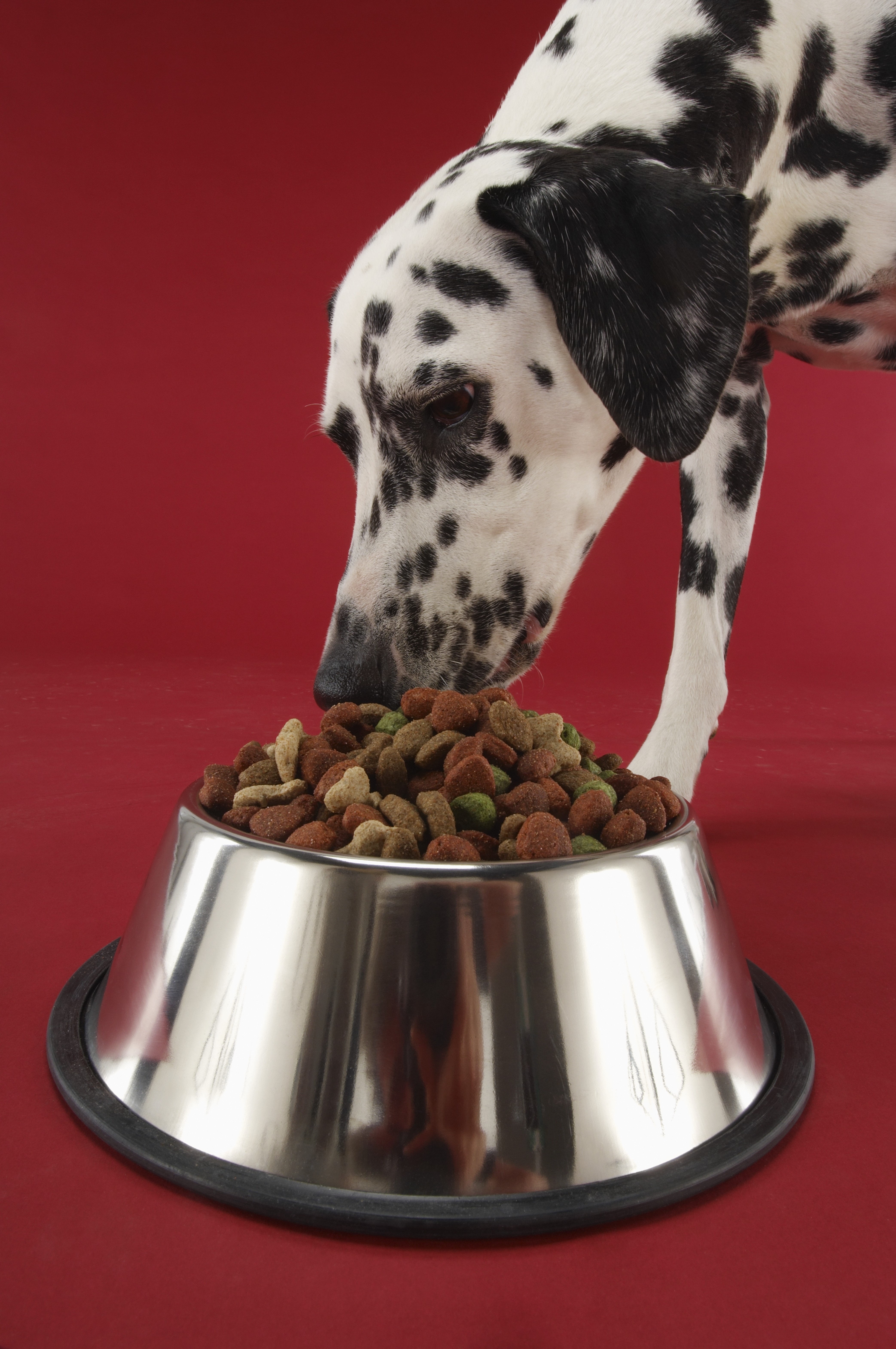
According to Hunting Dogs Food Experts, calories are the primary nutrition that working dogs require for energy. Calories in the diet promote stamina, and boost performance.
Providing calories in a nutritious and balanced way is the primary goal of a diet suited to hunting dogs.
Fat contains at least twice the calories of carbohydrates or protein.
High-fat products are the best way to provide stamina to your hunting dog.
high-fat foods provide:
- caloric intake for stamina
- reduction in amount of food consumed
- the right weight and energy
Benefits of Fatty Acids in Hunting Dog Food?
All fat sources are not created equal. Along with providing calories, fat is the source of one of the main building blocks of the body, fatty acids.
These vital nutrients, fatty acids are:
- are a component of cell wall,
- provide nourishment to the skin,
- boost and strengthen the immune system.
There are different types of fatty acids, the most common being the omega-6 and omega-3 fatty acids.
Omega-6 fatty acids work to create the inflammatory response in the body, an essential part of healing and response to injury. Good sources: sunflower oil, safflower oil, soybean and corn oil.
Omega-3 fatty acids work to counteract the excessive inflammatory response of the body. Good sources: canola and flaxseed oil, and cold water fish oils.
The careful balancing of both of these nutrients is essential to promoting athletic performance.
Look for the guaranteed ratio of omega-6:omega-3 fatty acids in the best dog foods.
Include Carbohydrates, Protein, and Fiber in Hunting Dog Food
While carbohydrates are an important component in dog nutrition, care must be taken to select the correct ingredients.
- Rice can be an excellent source of carbohydrates due to the rapid rise in blood sugar and energy levels it will cause in the dog, enabling stronger performance.
- Carbohydrates such as wheat should be avoided, as they lower the blood sugar.
- Corn and milo provide a slower rise in blood-sugar levels, but provide a stable energy burn over a longer period of time than rice.
Fiber is not just Filler. Fiber is an essential player in the intestinal health of the dog. Fiber ferments in the intestine, and “feeds” the cells that line the intestine and colon.
Insufficient fiber levels or poor fiber sources can lead to dog constipation and problems within the intestinal tract. Other types of fiber can provide too many nutrients to the cells of the gut, leading to gas.
Fiber sources such as beet pulp help to provide:
- the recommended 4% to 6% of fiber
- provide necessary bulk, and it’s composition as a moderately fermentable fiber source will
- helps to ensure a healthy gut to the active hunting dog.
Increased protein intake for optimum athletic performance is needed by humans and dogs alike. Amino acids are the building blocks of protein.
Amino acids contribute to:
- the making of red blood cells
- increased muscle size
- enzyme and blood plasma production
- maintaining and rebuild muscle tissue
- increase strength and stamina
All these components that are vital in the demanding performance of hunting dogs.
Dogs are carnivores, and animal-based protein is the most beneficial and easily digestible.
Soybeans and corn gluten have been used traditionally as a protein source in dog food, but their amino acid balances are inferior to those of animal-source proteins.
Look at the ingredients of some of the best dog food on the market.
Knowing the characteristics of a good feeding program for the hunting dog can make selecting or creating a balanced diet easier. Many reputable brands, such as the Innova dog food Company, is dedicated to making well-balanced forms of dog nutrition suitable for the hunting dog.
A strong feeding program should provide:
- be nutrient-dense, providing high-energy in a small quantity of food
- contain an animal-based protein sources
- be a high-fat, high-energy food
- contain a moderately-fermentable fiber source
- have an adjusted ration, and guaranteed analysis of the omega-3 and omega-6 fatty acid content
- easy to purchase or prepare
- good taste
Benefits Of Water in Hunting Dog Food
Finally, the last major component of any diet is water and in particular with dog nutrition. Water is of greater importance to the performance and hunting dog, as more water is lost during the activity of running than may be thought.
Water loss comes from breathing, salivating and urinating, and this progressive dehydration, combined with extensive exertion, can cause stress to the body of the athletic dog.
Clean, fresh water must be available at all times to the performing dog.
Dogs that are not heavy water drinkers may benefit from the addition of Jell-O or Gatorade to their water to improve flavor and increase water intake. There are also nutritional supplements on the market to mix with water to assist the working dog.
You can prepare home-made hunting dog food if your dog is a picky eater. However, this is to moisten and give the dog food an additional flavor.
A study by the Iams dog food company found that trained hunting dogs fed a high-fat performance food performed on average 55% better than their counterparts fed standard dog food in dog nutrition.
By providing your hunting or performance dog with the proper dog nutrition he needs, you can help him to perform his best, and achieve his maximum potential on the field.

 BestHuntingDogFood